
Heads up: This post may contain affiliate links. That means if you click and purchase, I might earn a small commission- at no extra cost to you. I only recommend stuff I actually use, love, or would fight a bear for. Thanks for keeping the lights on.
I doubled my prices to get rid of customers.
It sounds insane, right? Who tries to drive away business? But here’s the weird part, the people who left were exactly the ones who were slowly killing me. And I didn’t even realize it until they were gone.
For years, I thought the exhaustion was just part of being busy doing hair. Every shift left me completely drained, reaching for whatever would numb the feeling that my life was slipping through my fingers. I told myself everyone gets tired at work.
But the tiredness wasn’t from physical work. It was from something I didn’t even know I was doing: giving away pieces of myself, every single day, to people who had no business taking them.
Like a merry-go-round attached to a high powered motor, I was stuck in the same destructive loop. Doing all the entertaining in high drive, while my soul slowly checked out.
When I First Heard About “Calling Your Power Back”
The phrase hit me like a strange riddle. Calling your power back? My mind immediately went to some mystical image, different colored auras floating back into my body like I was summoning my scattered soul fragments. It sounded like something from a fantasy novel, not real life.
For months, I carried this fuzzy picture around, not really understanding what it meant. Was it about energy? Focus? Some kind of spiritual practice I wasn’t ready for?
Then it clicked. It wasn’t magic at all. It was something much more practical and, honestly, much harder to face.
Your power is your focus. Your attention. Your energy. And I had been scattering it everywhere except where it mattered most, on myself and my own life. Like a radio tuned to static instead of your favorite station, I was picking up everyone else’s frequency but losing my own signal completely.
The People Pleaser’s Dilemma
Looking back, I can see the pattern so clearly now. I’ve always been the person who puts others first. The one who says yes when I mean no. The one who absorbs other people’s bad moods like a sponge and carries them home with me.
In the service industry, this felt like a survival skill. Keep the customers happy. Don’t make waves. Smile through whatever they throw at you. For nearly a decade of doing hair, and before that in restaurants, I thought my chronic exhaustion was just the price of making a living.
But here’s what I didn’t realize: I wasn’t just tired from working hard. I was tired from working against myself.
Every time I put someone else’s comfort over my own boundaries, I was giving away a piece of my power. Every time I worried more about what others might think than what I actually needed, I was scattering my focus in a dozen different directions. Every time I came home and needed substances just to feel okay in my own skin, I was trying to fill a hole that I had created by constantly emptying myself out for other people.
The wake-up call came when I had to question everything: Maybe there’s something wrong with my health. Maybe I’m just not cut out for this. Maybe I’m too sensitive for the real world.
All of it felt true. None of it was actually the problem. I was like that old Pearl Jam song; I was “alive” but I wasn’t really living. My nervous system was constantly on high alert, trying to manage everyone else’s emotions while completely ignoring my own inner compass.
The Accidental Experiment That Changed Everything
When I opened my own barbering studio, I hit a wall. I was so burned out that I raised my prices dramatically, not because I thought I was worth more, but because I hoped it would drive people away. I didn’t want to deal with people anymore.
Here’s the crazy part: it worked, but not how I expected.
The price increase filtered out exactly the clients who had been draining me the most. The ones who always found something to complain about. The ones who never had anything positive to say. The ones who turned every appointment into a therapy session where I was the unpaid therapist.
Suddenly, I had fewer clients, but I also had something I hadn’t felt in years: energy left over at the end of the day. I could do other things. I could think about other things. The constant weight on my shoulders started to lift.
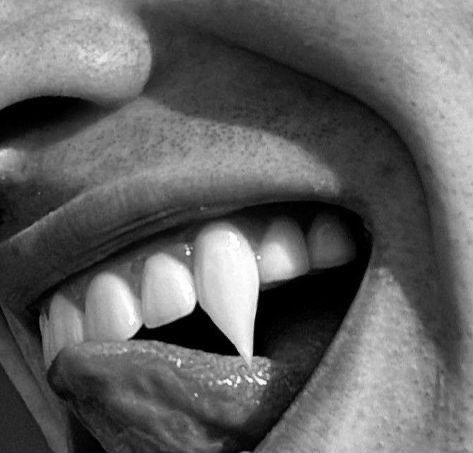
It wasn’t just that I was seeing fewer people. It was that the people I was seeing weren’t treating me like an emotional dumping ground. They weren’t energy vampires- those people who seem to suck the life out of every interaction.
For the first time, I realized the exhaustion wasn’t inevitable. It was a choice I had been making without knowing it.
Sometimes the universe gives you exactly what you need in the strangest packages. This felt like my spiritual wake-up call disguised as a business decision.
Learning to Hold Your Own Space
This revelation sent me down a rabbit hole of learning about boundaries, focus, and what it actually means to call your power back. I discovered techniques for “holding your own frame”- staying centered in who you are instead of constantly adapting to everyone else’s energy.
The concept reminded me of those noise-canceling headphones that block out the chaos so you can hear your own music clearly. Except instead of blocking sound, I was learning to filter emotional static.
But here’s where I made my next mistake: I got so excited about these new concepts that I treated them like a magic pill. I wanted to learn everything at once, implement everything immediately, and transform overnight.
Knowledge without consistent practice is just intellectual entertainment. Like learning guitar tabs but never actually picking up the instrument; you might know the theory, but your fingers still can’t make the music.
I half-heartedly tried some techniques while I was mostly isolated, not seeing many people. When I eventually started taking on more clients again at a new shop, that familiar draining feeling came rushing back. My first thought was, This just isn’t for me. I’m too sensitive. People are going to suck my will to live no matter what I do.
But that’s not the whole truth either.
What “Calling Your Power Back” Actually Looks Like
After more trial and error (and a lot more honest self-reflection), I’m starting to understand what this actually means in daily life. It’s not about becoming a recluse or avoiding difficult people altogether. It’s about fundamentally changing how you show up in the world.
Like tuning your internal guitar; you’re not changing the instrument, just getting it back in harmony with itself.
Here’s what I’ve learned so far:
- Focus on your next right move instead of everyone else’s opinion – When I catch my mind spinning about what others might think, I redirect: What do I need to do for myself right now?
- Stop worrying about the future and ground yourself in this moment – The exhaustion often comes from mentally living in ten different scenarios instead of dealing with what’s actually in front of you. Mindfulness techniques can help anchor you in the present.
- Recognize energy vampires before they drain you – These aren’t necessarily bad people, but they’re people whose needs consistently override your own boundaries.
- Practice saying no without over-explaining – Your reasons don’t need to be justified to everyone who asks something of you.
- Check in with yourself regularly – Am I doing this because I want to, or because I’m afraid of disappointing someone?
The goal isn’t to become selfish or uncaring. It’s to become selective about where you invest your finite emotional resources. You’re not eliminating all the tracks, you’re just adjusting the levels so your own voice can be heard.
The Ongoing Balance
I won’t lie; part of me still fantasizes about buying property in the middle of nowhere and never dealing with people again. The hermit life calls to me regularly, especially when I’m feeling overwhelmed by others’ expectations and energy.
But I’ve also learned something important during the times when I did withdraw from everyone: isolation brings its own kind of emptiness. When I started opening up again after a couple years of keeping to myself, I realized how many connections had faded away. The loneliness of having no one to laugh with or learn from felt just as draining as dealing with difficult people had.
This is the ongoing challenge: finding that middle ground between protecting your energy and staying connected to others. Learning to enjoy solitude without hiding from life. Being selective about relationships without closing yourself off entirely.
It’s about moderation in what you’ll allow and won’t allow, being comfortable with alone time while also being open to meaningful connections with others. Like finding the sweet spot on your amp. Too low and you can’t be heard, too high and you blow out the speakers.
The Work Continues
I’m still figuring this out. Some days I nail it, I stay focused on what matters to me, I don’t absorb other people’s bad moods, and I end the day feeling energized instead of depleted. Other days, I slip back into old patterns of people-pleasing and giving my power away without realizing it until later.
But here’s what’s different now: I know I have a choice. I know that feeling constantly drained isn’t just “how life is” or “the price of being sensitive.” It’s a signal that I need to call my power back. To redirect my focus from everyone else’s needs and opinions to what actually serves my life.
The next challenge? Learning how to have fun again. For so long, I’ve been so focused on managing my energy and protecting my boundaries that I forgot how to simply enjoy things. But that’s a problem I’m actually excited to solve.
Because for the first time in years, I have the energy to solve it.
Sometimes you have to burn down the old version of yourself to make room for who you’re becoming. It’s scary as hell, but it’s also the most honest thing you can do for yourself.
Ready to Start Calling Your Power Back?
If this story resonates with you; if you’re tired of feeling drained by everyone else’s energy while ignoring your own; I’ve put together something that might help.
Get my free 7-Day “Say Yes to Yourself” Starter Pack, which includes:
- Daily journal prompts to help you identify where you’re giving your power away
- Simple nervous system regulation techniques you can use anywhere
- A step-by-step guide for “burning down” the old people-pleasing patterns and rebuilding healthy boundaries
This isn’t about becoming selfish or shutting people out. It’s about learning to tune into your own frequency first, so you can show up authentically for the relationships and work that actually matter.
[Download your free starter pack here]
Frequently Asked Questions
Q: What if calling my power back makes people think I’m being selfish?
A: The people who benefit from you having no boundaries will always resist when you start setting them. Their discomfort with your growth isn’t your responsibility to manage. The right people will respect your boundaries and appreciate the more authentic version of you.
Q: How do I know if someone is an energy vampire?
A: Pay attention to how you feel during and after spending time with them. Energy vampires often leave you feeling emotionally exhausted, anxious, or like you need to recover from the interaction. They tend to dominate conversations, rarely ask about you, and often have a victim mentality where everything is always someone else’s fault.
Q: Can you call your power back if you work in customer service?
A: Absolutely. I learned this while cutting hair, which is definitely a service role. It’s not about being rude to customers, it’s about not taking their bad moods personally and maintaining your own emotional center. You can be professional and helpful without absorbing their energy.
Q: What’s the difference between setting boundaries and just avoiding people?
A: Boundaries are about changing how you engage with people, not whether you engage. Avoiding is reactive and often comes from fear. Healthy boundaries are proactive choices about what you will and won’t accept in your relationships.
Q: Is this spiritual practice or psychology?
A: It’s both. Your energy and attention are real resources that affect your mental health, relationships, and life satisfaction. Whether you approach it from a spiritual angle (calling back scattered soul pieces) or a psychological one (emotional regulation and boundary-setting), the practical results are the same.
What does “calling your power back” look like in your life? Where do you notice your energy getting scattered, and what would it mean to redirect that focus toward what actually matters to you?


 Reborn MeatSuit
Leave a comment